Historic Homes in Missoula's University District, Montana
A Buyer's and Seller's Guide to One of Western Montana's Most Architecturally Significant Neighborhoods
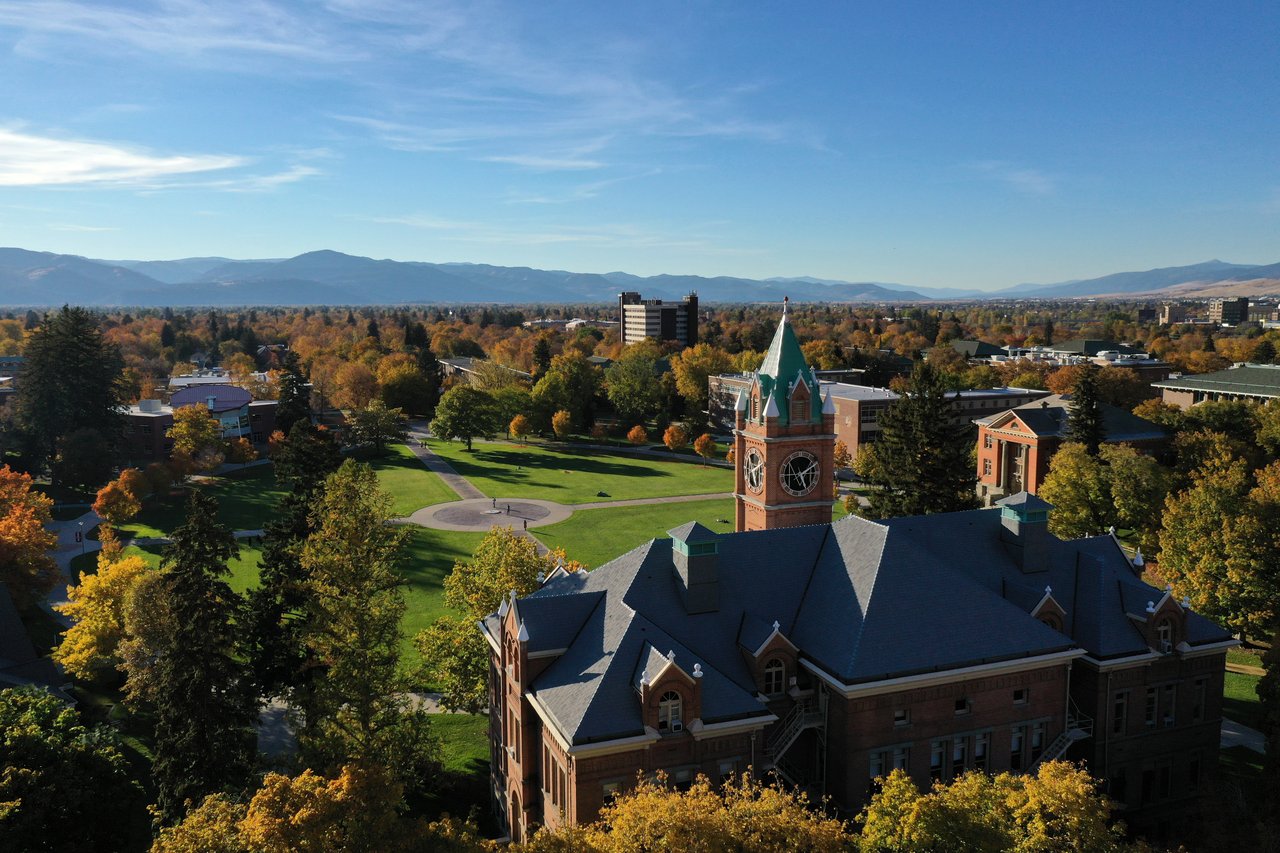
Missoula's University District is one of Western Montana's most storied neighborhoods — a walkable, tree-lined community anchored by the University of Montana campus and defined by over a century of architectural history. For buyers searching for historic homes in Missoula, the University District is where that search almost always begins.
At Aragon & Partners, Rod and Cole Aragon have worked with buyers and sellers throughout the University District for years. This guide covers what makes the neighborhood historically significant, what to expect when buying or selling a historic home here, and how to navigate the process with confidence.
What Makes the University District Historically Significant?
The University District developed primarily between 1895 and 1940, during Missoula's formative years as a growing college town. The neighborhood reflects an unusually intact collection of early 20th century residential architecture — much of which has been preserved rather than replaced.
Parts of the University District fall within a designated historic preservation area, meaning certain properties carry official recognition from the National Register of Historic Places or are identified as contributing properties to the district's historic character.
A home may be considered historically significant if it meets one or more of the following:
- Listed on the National Register of Historic Places (NRHP)
- Located within a recognized historic district boundary
- Identified as a contributing property to the district's architectural character
- Associated with a notable architectural style, builder, or period of local history
This designation matters for buyers because it affects renovation guidelines, potential tax incentives, and long-term property value.
Architectural Styles You'll Find in the University District
Craftsman Bungalows (c. 1905–1930)
The most common historic style in the University District. Characterized by low-pitched gabled roofs, exposed rafters, handcrafted built-ins, and prominent front porches. These homes were built during Missoula's early expansion and remain remarkably intact throughout the neighborhood — particularly along East Pine Street, Gerald Avenue, and the corridors closest to campus.
Colonial Revival (c. 1910–1935)
Two-story symmetrical facades, shuttered windows, and formal entry columns. Colonial Revival homes in the University District tend to sit on larger lots and are among the most sought-after properties in the neighborhood. Often originally occupied by University of Montana faculty, professionals, and community leaders.
Tudor Revival (c. 1920–1940)
Steeply pitched rooflines, decorative half-timbering, and arched doorways. Less common than Craftsman or Colonial styles but highly distinctive — these homes draw strong buyer interest, particularly from those relocating from the Pacific Coast who are drawn to the character and craftsmanship.
Prairie Style (c. 1910–1925)
Horizontal lines, flat or low-pitched roofs, and strong integration with the landscape. Prairie style homes in the University District reflect the influence of the broader American Arts and Crafts movement and are considered among the most architecturally significant properties in Missoula.
Victorian-Era and Transitional Homes (Late 1800s – Early 1900s)
Some of the earliest remaining homes in the area, representing Missoula's transition from frontier town to established city. Ornate trim, asymmetrical designs, and steep rooflines. These properties are rare, in high demand, and rarely come to market.
American Foursquare (c. 1895–1920)
Simple cubic form, hipped roof, and a full-width front porch. These were Missoula's workhorses of residential construction — affordable, practical, and built to last. Many have been lovingly restored and represent excellent value for buyers seeking historic character without premium pricing.
What Does "Contributing Property" Mean?
A contributing property is one that retains its original character and supports the historical integrity of the neighborhood as a whole. Not every old home qualifies — the distinction matters for buyers and sellers alike.
Key factors that make a property contributing include:
- Original exterior design and materials largely intact
- Architectural consistency with the period of significance
- Preservation of key structural and design elements
- Location within the recognized district boundary
These properties collectively create the historic identity that defines the University District today — and they command a different conversation when it comes to pricing, marketing, and buyer appeal.
What to Know Before Buying a Historic Home in the University District
Renovation and Preservation Guidelines
If a property is within a designated historic district or listed on the National Register, certain exterior renovations may require approval from the State Historic Preservation Office (SHPO) or local historic preservation commission. This applies primarily to changes that affect the historic character of the property — window replacements, siding changes, additions, and demolition. Interior renovations are generally not restricted.
Buyers should confirm a property's historic designation status before closing and factor any preservation guidelines into their renovation plans and budget.
Tax Incentives Worth Knowing
Historic designation can unlock meaningful financial benefits. The Federal Historic Tax Credit program offers a 20% tax credit for certified rehabilitation of income-producing historic properties. Montana also has state-level historic preservation programs worth exploring for qualifying properties.
Rod Aragon works closely with estate attorneys and financial advisors who specialize in historic property transactions. We're happy to connect you with the right professionals as part of our representation.
Inspection Considerations
Historic homes require a more thorough inspection than newer construction. Key areas to focus on: foundation integrity, original wiring systems, plumbing, lead paint, single-pane windows, and roof condition. Many University District historic homes have been well-maintained for generations — but a specialist inspection is essential before any offer.
Property Value and Long-Term Appreciation
University District historic homes have consistently held value well in the Missoula market. The combination of limited supply, strong neighborhood identity, walkability to campus and downtown, and irreplaceable architectural character creates durable demand. For buyers relocating from California or other competitive markets, the University District often represents significant value relative to comparable historic neighborhoods in coastal cities.
Selling a Historic Home in the University District
If you own a historic property in the University District and are considering selling, the marketing strategy matters more than most sellers realize.
Buyers for these properties are often coming from outside Montana. They're searching for specific architectural styles, comparing your home to properties in Portland, Seattle, or the Bay Area, and making decisions based on photography, neighborhood narrative, and lifestyle positioning as much as square footage and price.
A successful listing strategy for a University District historic home includes:
- Highlighting architectural integrity and original features
- Telling the story of the home — its period, its builder, its history
- Marketing directly to out-of-state buyers actively relocating to Missoula
- Professional photography that captures the character of the property
- Strategic pricing that reflects historic designation and condition
Aragon & Partners markets University District historic homes to a regional and national buyer pool — not just the local MLS. If you're thinking about listing, start with a free home valuation to understand what your property is worth in today's market.
Why Aragon & Partners for University District Real Estate
Rod Aragon brings nearly 40 years of high-level real estate experience and over 2,000 closed transactions — including complex historic, estate, and legacy properties. Cole Aragon is a University of Montana graduate with deep community roots in Missoula and a street-level knowledge of the University District that most agents simply don't have.
Together, as Missoula's father-and-son real estate team, we specialize in:
- University District Missoula real estate — buying and selling
- Historic homes and architecturally significant properties
- Strategic representation for buyers relocating from out of state
- Legacy property transactions requiring discretion and expertise
We are selective in the clients we represent, which means every engagement gets our full attention and focus.
Frequently Asked Questions: Historic Homes in Missoula's University District
What architectural styles are most common in the University District?
Craftsman bungalows are the most prevalent, followed by Colonial Revival, Tudor Revival, Prairie Style, Victorian-era transitional homes, and American Foursquare. Each style has a distinct price range and buyer profile in the current Missoula market.
Does historic designation affect what I can do with my home?
It depends on the type of designation. Properties within a locally designated historic district or on the National Register may have restrictions on certain exterior changes. Interior renovations are generally unrestricted. Confirming designation status before purchase is strongly recommended.
Are historic homes in the University District good investments?
Historically yes. The combination of limited inventory, strong neighborhood identity, and consistent demand from both local and out-of-state buyers has supported durable appreciation. That said, condition, designation status, and location within the district all affect individual property value.
How do I find historic homes for sale in the University District?
The Missoula MLS lists University District properties, but many of the most desirable historic homes sell before hitting the broader market. Working with a local agent who has deep University District relationships gives you access to off-market opportunities and early notice on upcoming listings.
What is a contributing property in a historic district?
A contributing property is one that retains its original character and supports the historic integrity of the district as a whole. These properties meet specific architectural and preservation criteria and carry additional significance for buyers, sellers, and appraisers.
Who buys historic homes in Missoula's University District?
University District historic homes attract University of Montana faculty and staff, long-term Missoula residents seeking established neighborhood character, and out-of-state buyers relocating from California and the Pacific Coast who are drawn to the architectural quality and lifestyle the neighborhood offers.
Ready to Buy or Sell in the University District?
Whether you're searching for a historic Craftsman bungalow near campus or ready to sell a property that's been in your family for decades, Aragon & Partners brings the local knowledge, buyer network, and marketing expertise to make it happen.
Explore the University District neighborhood guide →
Get a free home valuation →
Contact Rod & Cole directly →
Aragon & Partners — Missoula's University District Real Estate Specialists
(406) 214-0303 | aragonandpartners.com | [email protected]